Introduction
As the school year kicks off, students around the globe are gearing up with one essential tool: the backpack. While backpacks are a vital part of student life, they can also pose significant challenges to spine health if not used correctly. This article dives deep into the relationship between backpacks and spine health, offering practical tips for students to carry their essentials without compromising their well-being.
Backpacks and Spine Health: Tips for Students
In today's fast-paced academic environment, students often find themselves hauling a range of materials from textbooks to laptops. Unfortunately, this convenience comes with risks. Improper use of backpacks can lead to musculoskeletal issues, particularly in the spine. Understanding how to choose, pack, and wear a backpack correctly is crucial for maintaining spine health.
Understanding the Anatomy of a Backpack
Types of Backpacks Available
When it comes to choosing a backpack, options abound. From traditional designs to modern variations like messenger bags and rolling backpacks, each serves its purpose differently. Here’s a breakdown:
- Traditional Backpacks: Two straps for equal weight distribution. Messenger Bags: One strap; may cause uneven weight distribution. Rolling Backpacks: Wheels reduce strain but can be cumbersome in stairways.
Features that Promote Spine Health
Not all backpacks are created equal. Look out for features that promote good posture:
Padded Shoulder Straps: They cushion the shoulders and prevent discomfort. Adjustable Straps: Allow for customization according to body type. Hip Belts: Distribute weight evenly across the hips rather than the shoulders.Weight Guidelines for Students
How Much Should Your Backpack Weigh?
A common rule of thumb is that a loaded backpack should not exceed 10-15% of a student's body weight. For example:
| Body Weight | Maximum Backpack Weight (10%) | Maximum Backpack Weight (15%) | |-------------|-------------------------------|-------------------------------| | 100 lbs | 10 lbs | 15 lbs | | 150 lbs | 15 lbs | 22.5 lbs | | 200 lbs | 20 lbs | 30 lbs |
Signs of an Overloaded Backpack
If you're lugging around more than recommended, you might notice:
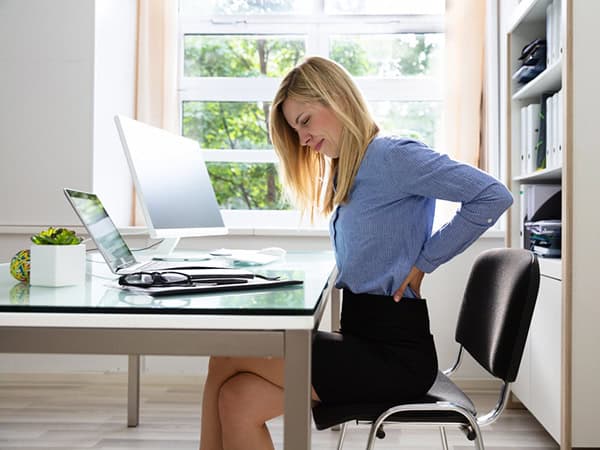
- Persistent back pain Shoulder fatigue Neck stiffness
Ignoring these symptoms can lead to long-term damage.
Packing Your Backpack Wisely
Organizing Your Items for Balance
The way you pack your backpack matters significantly. Here are some tips:
Place heavier items closest to your back. Use compartments wisely; distribute weight evenly. Avoid overpacking; only carry what you need for the day.Using Essential Tools for Packing
Consider investing in packing cubes or organizers within your backpack to keep items sorted and prevent clutter.
Proper Backpack Wearing Techniques
Adjusting Straps Correctly
Always make sure your straps are adjusted properly:
- The top of your backpack should sit just below shoulder level. The bottom should rest above your hips.
Using Both Straps
While it might be tempting to sling one strap over the shoulder, using both straps distributes weight evenly and helps maintain proper posture.
When is it Time to Replace Your Backpack?
Signs You Need a New Backpack
Over time, even the best backpacks wear out:
Visible tears or fraying seams Broken zippers or clasps Loss of padding or supportReplacing your backpack promptly can prevent unnecessary strain on your back.
Ergonomic Alternatives to Traditional Backpacks
Laptop Bags and Totes
For students who primarily carry laptops, consider ergonomically designed laptop bags or totes that distribute weight better than standard backpacks do.
Hybrid Options
Some brands now offer hybrid designs that combine features from traditional bags with ergonomic benefits—these can provide relief while still being stylish!
Engaging in Healthy Habits Beyond Packing
Posture Awareness During Class
Sitting posture plays an equally important role when it comes to spinal health during long study hours:
Sit all the way back in your chair. Keep feet flat on the floor. Use small cushions if necessary for lower back support.Regular Exercise and Stretching Routines
Incorporating stretching exercises into daily routines can significantly improve flexibility and strength in core muscles that support your spine.
Example Stretching Routine:
| Stretch | Duration | |---------------------|------------| | Neck Stretches | 30 seconds | | Shoulder Rolls | 30 seconds | | Forward Bend | 30 seconds |
Techniques for Carrying Heavy Loads Safely
Bending at the Knees vs Lifting with Your Back
Always remember this golden rule—bend at your knees when picking up heavy objects! It minimizes stress on your back considerably.
The Role of Nutrition in Spine Health
Eating well contributes not just to overall health but specifically spine health as well:
Calcium-rich foods strengthen bones. Omega-3 fatty acids reduce inflammation.FAQs About Backpacks and Spine Health
Q1: What type of backpack is best for students? A: A backpack with padded shoulder straps, adjustable features, and hip belts is ideal as it promotes better posture and reduces strain on the back.
Q2: How often should I check my backpack's weight? A: Regularly assess your backpack's contents at least once every two weeks during busy school seasons.
Q3: Can carrying a heavy backpack lead to long-term damage? A: Yes! Consistent pressure on muscles and joints from heavy loads can result in chronic pain if not addressed early on.
Q4: Should I use one strap or both when carrying my bag? A: Always use both straps; this helps distribute weight evenly across both shoulders instead of straining one side.
Q5: Are rolling backpacks effective? A: Rolling backpacks minimize strain but may be impractical in certain environments such as stairs or crowded spaces.
Q6: How can I alleviate back pain caused by my backpack? A: Incorporate stretches into your routine, adjust how you wear your bag, and invest in ergonomic alternatives if needed.
Conclusion
In summary, understanding how backpacks impact spine health is vital for every student navigating through their academic journey. https://www.zahnchiropractic.com/ By choosing appropriate backpacks, packing wisely, wearing them correctly, maintaining good posture during class time, engaging in regular exercise routines, and being mindful about nutrition—all these factors contribute positively toward preserving spinal integrity.
Being proactive about these aspects will ensure that students not only excel academically but also maintain their physical well-being throughout their educational pursuits! Remember, taking care of your spine today means enjoying a healthier tomorrow!
So next time you hoist that bag onto your shoulders—think twice about how you're doing it!